
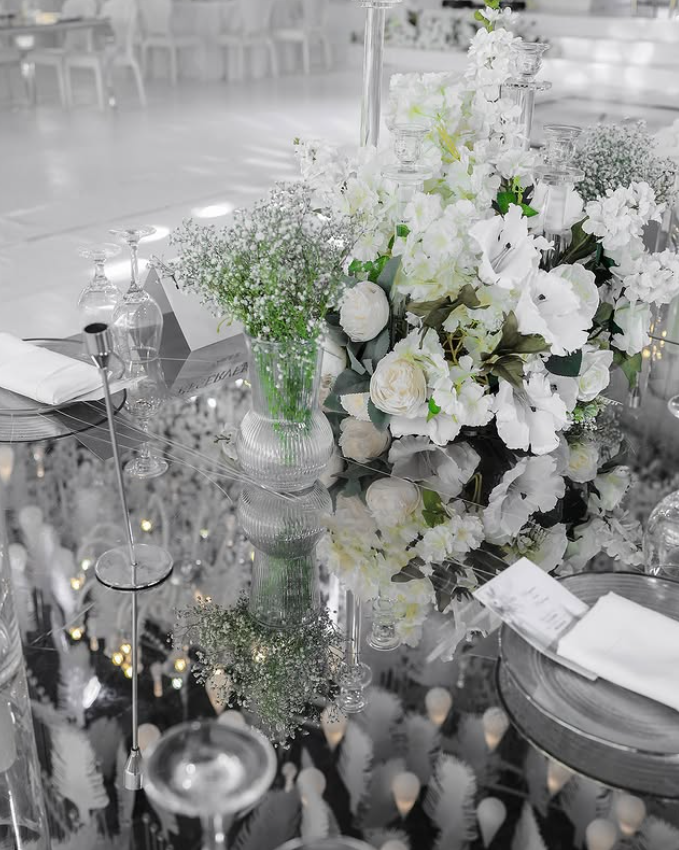
How Our Team of Event Organizers and Decorators in Kampala Works
Understanding that a company offers both organization and decoration is one thing; understanding how these teams work together is what reveals true professionalism and capability. At A Classic Events, our strength lies not in having two separate departments, but in a deliberately integrated operational model where our event organizers and decorators in Kampala function as a single, cohesive unit with a shared mission: to flawlessly translate your vision into reality. This isn’t a handoff from sales to operations; it’s a continuous, collaborative dance from the first consultation to the final venue breakdown.
This article pulls back the curtain on our proprietary workflow. We’ll walk you through the step-by-step process that ensures every aesthetic detail is supported by a robust logistical plan and every timeline is built to highlight the designed experience. By seeing how the gears turn in unison, you can appreciate the efficiency, foresight, and peace of mind that comes from choosing a truly unified team.
Phase 1: The Discovery & Fusion Session
The journey begins with a joint client meeting that sets the foundation for integration. This is where strategy and creativity first merge.
What Happens:
-
The Dual-Perspective Interview: Your dedicated Project Lead (from the organizing team) and your Lead Designer are both present. The Project Lead asks questions about budget, guest experience goals, and non-negotiables. The Designer asks about your aesthetic preferences, colors, and the “feeling” you want to create.
-
The “Idea Wall” Exercise: In real-time, the team starts building a shared vision. The Designer might sketch a layout while the Project Lead notes potential venue requirements. They challenge and complement each other’s thinking, ensuring ideas are both beautiful and feasible from the start.
-
Initial Synergy Creation: This session establishes the core creative-logistical link. For example, if you mention a “flowing, organic” feel, the Designer thinks of drapery and floral waves, while the Project Lead immediately considers venues with high ceilings to accommodate it and plans a longer setup time.
Phase 2: The Co-Creation Loop: Design ⇔ Logistics
After the discovery session, our teams enter an iterative feedback loop. Designs are stress-tested against logistics, and logistics are shaped by design needs.
The Collaborative Process:
-
Design Drafts & Logistical Audits: The design team creates initial concepts and mood boards. These are immediately presented to the logistics team for a “reality check.” They assess: Can we source these materials in Kampala on time? What is the install complexity? What are the power/space/venue compatibility issues?
-
Logistical Blueprints & Creative Refinement: The logistics team drafts a preliminary master plan. The design team reviews it to ensure key aesthetic moments (e.g., a grand entrance reveal) have adequate time and focus in the schedule.
-
Unified Proposal Development: The output is a single, cohesive proposal. The budget clearly shows how décor costs and labor/planning fees are intertwined. The timeline includes both creative milestones (design approval) and logistical ones (vendor booking deadlines).
Phase 3: The Engine Room: Integrated Project Management
Once you book, your event moves into our active project management system, where collaboration is structured and constant.
Our Integrated Tools:
-
Shared Digital Dashboard: Your event has one central digital workspace. The designer uploads fabric swatches and floor plans. The project lead posts venue contracts and caterer contact info. You have one place to see everything.
-
Weekly Internal Sync Meetings: Our teams don’t just email. They meet weekly without fail. The designer updates on fixture deliveries, the project lead reports on venue walk-through findings, and they problem-solve together in real-time.
-
Single Point of Client Communication: You still have your one Project Lead. They are the conduit, filtering and synthesizing all updates from both sides, so you receive clear, consolidated information, not a flood of disjointed emails from different people.
Phase 4: On-Site Execution: One Team, One Mission
On event day, the synergy becomes visible. The theoretical partnership becomes a practical, well-oiled machine.
How We Operate On-Site:
-
Unified Command Center: The Project Lead and Design Lead are on-site together, often sharing a radio channel with their respective teams (setup crews, florists, technicians).
-
Parallel Track Execution: While the styling team installs décor, the logistics team is managing vendor load-in, guest transportation, and power distribution—all according to the single master plan they built together.
-
Dynamic Problem-Solving: If an issue arises (e.g., a rented item is wrong), the Design Lead assesses the aesthetic impact and suggests a solution, while the Project Lead immediately contacts the vendor for a replacement or renegotiates costs. The decision is made in minutes, not days.
Phase 5: Post-Event Debrief & Evolution
After the event, our teams debrief together. They analyze what worked brilliantly and where processes can be tightened for the next client. This commitment to shared learning ensures our model gets stronger with every event.
This integrated model is why we succeed where separate vendors struggle. The left hand always knows what the right hand is doing, and both are working towards the same beautiful goal.
Ready to experience the seamless confidence of a team that operates as one? Contact A Classic Events to begin your journey with Kampala’s premier integrated event partner. Let us show you how our unified approach as event organizers and decorators in Kampala turns complexity into elegance and vision into unforgettable reality.